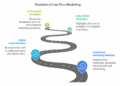
Delving into the world of digital marketing for financial services, finding the best agency can be a game-changer. From innovative strategies to proven success stories, this guide unveils the key aspects to consider for optimal growth and visibility.
Exploring the realm of digital marketing in the financial sector, this guide sheds light on essential strategies and emerging trends that can elevate your brand to new heights.
Factors to Consider When Choosing a Digital Marketing Agency
When choosing a digital marketing agency for financial services companies, there are several important factors to consider to ensure the success of your marketing efforts.
Key Services Needed
Financial services companies require specialized services to effectively reach their target audience. These services may include search engine optimization (), pay-per-click (PPC) advertising, content marketing, social media management, email marketing, and more.
Importance of Industry Experience
Industry experience is crucial when selecting a digital marketing agency for financial services companies. An agency with experience in the financial sector will have a better understanding of industry-specific regulations, compliance requirements, and target audience preferences.
Pricing Models and Packages
When comparing digital marketing agencies, it's important to consider their pricing models and packages. Some agencies offer a la carte services, while others provide comprehensive packages that include a range of services. It's essential to choose an agency that offers transparent pricing and aligns with your budget.
Proven Track Record in the Financial Sector
A proven track record in the financial sector is a significant factor to consider when selecting a digital marketing agency. Look for agencies that have successfully worked with financial services companies in the past and have achieved tangible results. This demonstrates their expertise and ability to deliver effective marketing strategies tailored to the financial industry.
Strategies for Digital Marketing in the Financial Services Industry
Digital marketing plays a crucial role in the financial services industry, helping companies reach their target audience effectively. Here are some key strategies to consider:
Role of Content Marketing
Content marketing is essential for promoting financial services as it helps build trust and credibility with potential clients. By creating informative and engaging content such as blog posts, articles, and whitepapers, financial services companies can establish themselves as industry experts and attract a loyal following.
- Provide valuable information: Offer insights into financial trends, investment strategies, and money management tips to educate and engage your audience.
- Focus on quality: Ensure your content is well-researched, accurate, and relevant to your target market to establish credibility and trust.
- Utilize different formats: Experiment with videos, infographics, and podcasts to cater to different preferences and enhance user engagement.
Importance of
Search engine optimization () is crucial for financial services companies to improve their online visibility and reach their target audience effectively. By optimizing website content and using relevant s, companies can increase their organic search traffic and attract quality leads.
- research: Identify relevant s that potential clients are searching for and incorporate them strategically into your website content.
- On-page optimization: Optimize meta tags, headers, and image alt text to improve your website's search engine rankings and visibility.
- Quality backlinks: Build high-quality backlinks from reputable websites to enhance your website's authority and credibility with search engines.
Social Media Marketing Plan
Social media marketing is a powerful tool for financial services companies to connect with their audience, build brand awareness, and drive engagement. To create an effective social media marketing plan, companies should focus on providing valuable content, engaging with followers, and leveraging different platforms to reach their target audience.
- Create a content calendar: Plan and schedule regular posts that provide value to your audience and align with your brand messaging.
- Engage with followers: Respond to comments, messages, and mentions promptly to build relationships and foster trust with your audience.
- Use paid advertising: Utilize social media advertising to target specific demographics, increase brand visibility, and drive conversions.
Email Marketing Strategies
Email marketing is a valuable tool for lead generation and client retention in the financial services industry. By segmenting your email list, personalizing content, and automating campaigns, companies can nurture leads, drive conversions, and retain existing clients effectively.
- Segment your email list: Divide your subscribers into different segments based on their interests, behavior, and demographics to send targeted and relevant content.
- Personalize content: Use personalized subject lines, greetings, and recommendations to make your emails more engaging and relevant to each recipient.
- Automate campaigns: Set up automated email campaigns for onboarding new clients, nurturing leads, and re-engaging inactive subscribers to streamline your marketing efforts.
Case Studies

In this section, we will delve into successful digital marketing campaigns within the financial services industry, analyzing strategies, impact on brand awareness, data analytics utilization, and challenges faced.
Example 1: Social Media Engagement
Social media platforms have proven to be effective tools for financial services companies to engage with their audience. By creating informative and engaging content, a leading investment firm saw a 30% increase in follower engagement within a month. This strategy not only improved brand awareness but also fostered a sense of trust and credibility among the audience.
Example 2: Optimization
A mid-sized bank revamped its website and optimized it for search engines, resulting in a 50% increase in organic traffic within six months. By leveraging data analytics to identify relevant s and user behavior, the bank was able to tailor its content to meet the needs of its target audience.
This approach not only boosted brand visibility but also led to a higher conversion rate among website visitors.
Example 3: Email Marketing Campaign
An insurance company implemented a targeted email marketing campaign that personalized content based on customer preferences and behaviors. By analyzing data on open rates, click-through rates, and conversions, the company was able to optimize its email strategy for maximum impact.
This approach resulted in a 25% increase in policy renewals and a significant improvement in customer retention rates.
Challenges Faced and Solutions
Despite the success of these campaigns, financial services companies often face challenges such as regulatory constraints, data privacy concerns, and fierce competition. To overcome these obstacles, companies need to prioritize compliance, implement robust data security measures, and continuously monitor industry trends.
By staying agile and adaptive, organizations can navigate the complexities of digital marketing in the financial sector and drive sustainable growth.
Emerging Trends in Digital Marketing for Financial Services Companies
In today's rapidly evolving digital landscape, financial services companies are constantly adapting to new trends in digital marketing to stay ahead of the competition and better engage with their target audience.
AI and Machine Learning in Personalized Marketing
AI and machine learning have revolutionized the way financial services companies approach personalized marketing. By analyzing vast amounts of data, these technologies can predict customer behavior and preferences, allowing companies to tailor their marketing strategies to individual needs.
The Rise of Chatbots and Customer Engagement
Chatbots have become increasingly popular in the financial services industry for providing instant customer support and assistance. These automated tools can handle a wide range of inquiries and transactions, improving customer engagement and satisfaction.
Impact of Voice Search and Optimization
Voice search is gaining prominence in the financial services sector, with more consumers using voice-activated devices to search for information and services. Optimizing content for voice search can help companies reach a wider audience and improve their online visibility.
Importance of Mobile-First Strategies
With the majority of consumers accessing the internet through mobile devices, financial services companies must prioritize mobile-first strategies in their digital marketing efforts. This includes optimizing websites and content for mobile users, ensuring a seamless and user-friendly experience across all devices.
Closure
In conclusion, navigating the digital landscape for financial services demands a strategic approach and a reliable partner. With the right agency by your side, success is not just a possibility but a certainty.
Popular Questions
What are the key services needed by financial services companies?
Financial services companies require services like , content marketing, social media marketing, and email marketing to enhance their online presence and reach their target audience effectively.
How important is industry experience when choosing a digital marketing agency?
Industry experience is crucial as it ensures that the agency understands the specific needs and challenges of the financial sector, allowing for tailored and effective marketing strategies.
What are some emerging trends in digital marketing for financial services companies?
Emerging trends include the use of AI and machine learning, chatbots for customer engagement, voice search optimization, and mobile-first strategies to stay ahead in the digital landscape.